Keno Guide: Rules, Choices and Safer Play
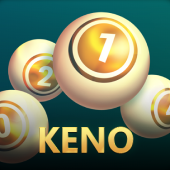
Keno is a number-draw game in which a player selects numbers and compares them with a drawn set; the exact selection limits, draw size and payout rules depend on the version shown in the game. To participate, first read its information panel, choose only a stake within a preset entertainment budget, and remember that matching numbers and outcomes are uncertain.
This page offers a practical introduction to Keno, not a prediction or a guarantee. Check the current rules on screen before starting, and keep your session within limits you can comfortably afford.
Other cards games in the lobby
A quick comparison checklist for Keno
The right comparison starts with the displayed rules, not with a claim that one number pattern is more likely to win. Before choosing Keno, compare the practical details that change the experience: how many numbers may be selected, how many are drawn, the available stake range, and how the paytable treats each match count.
- Selection range: Confirm the minimum and maximum number choices for the specific version.
- Draw and result: Check how many numbers are drawn and when the result is settled.
- Paytable: Read payouts for each selection size and match count, including any conditions.
- Controls: Verify the wager amount and selected numbers before confirming a round.
- Session fit: Decide whether the pace and stake options suit your planned time and budget.
A Keno Demo, if offered for the title, may help you learn where the controls and information are located. It cannot establish how a paid round will turn out, and demo results should not be treated as a performance forecast. You can also compare the number-draw format with a separate title such as Wisdom Of Athena, while remembering that its rules are different.
A measured way to approach Keno
There is no number-selection strategy that can guarantee a Keno win. A sound approach is to understand the paytable, keep stakes consistent with a pre-set limit, and make each decision before the round rather than reacting to previous results.
1. Learn the controls
Find the rules, number selector and stake adjustment. Make sure each choice is visible before you confirm.
2. Set a session plan
Choose a maximum spend and a stopping time. Do not increase either to chase an earlier result.
3. Pause and review
Take a break if the activity feels rushed or frustrating; stopping is always a valid choice.
For a different kind of entertainment, the catalog also lists Iron Dome. Treat every game as a separate experience: its controls, pace, and risk do not transfer from Keno.
When to open Keno—and when to wait
Open the game only if you have reviewed the rules and are comfortable with the stake and the possibility of losing it. If the paytable, round flow or terms are unclear, pause and check them before deciding.
A short game preview can help identify the controls, but neither a preview nor a prior result predicts the next draw. Keep essential expenses separate from entertainment funds and avoid play when tired, upset or under pressure.
What Keno offers, and what it cannot promise
Keno may appeal to players who enjoy choosing numbers and following a simple draw-and-match sequence. Its clear round structure can make the basic idea easy to understand, while the paytable gives a place to check how different match counts are treated.
The limitations matter just as much: outcomes remain uncertain, a chosen pattern does not make a draw more favorable, and no past result indicates that a future result is due. The exact rules can vary by version, so do not assume every Keno game uses the same number pool or payout conditions.
- Potential fit: You prefer a number-selection format and are willing to read the rules first.
- Practical limit: A sequence of rounds can still consume a budget quickly; use a firm cap.
- Not a promise: Neither a demo nor a strategy assures a prize or return.
Compare Keno by pace, rules and session fit
A useful comparison separates game mechanics from personal preferences. Check each title's own rules instead of relying on category labels or another game's reputation.
Rule clarity
Can you explain the number selection, draw, and settlement before placing a stake?
Budget control
Are the available wager steps compatible with your personal session cap?
Time and pace
Does the round pace let you pause between decisions without feeling rushed?
Information quality
Are paytable, conditions and any applicable terms easy to locate?
For another category example, browse Mega Fishing. This provides a reference point for a different style, not a direct odds comparison: the games use distinct mechanics, and their rules should be assessed independently.
Make your Keno choice with care
Read the current rules, set limits before a round and keep play within your entertainment budget. Take a break whenever you need one.
Responsible play with Keno
Keno is for adults who meet the legal age and requirements in their location. Treat play as entertainment, never as income or a way to recover losses. Set a spending limit that excludes rent, bills and other essentials, take regular breaks, and stop when your limit is reached. If gambling feels difficult to control, step away and seek support from a trusted person or an appropriate local service.